Flamstead Almshouses
A Legacy of Kindness Since 1669
About
More than 350 years of care
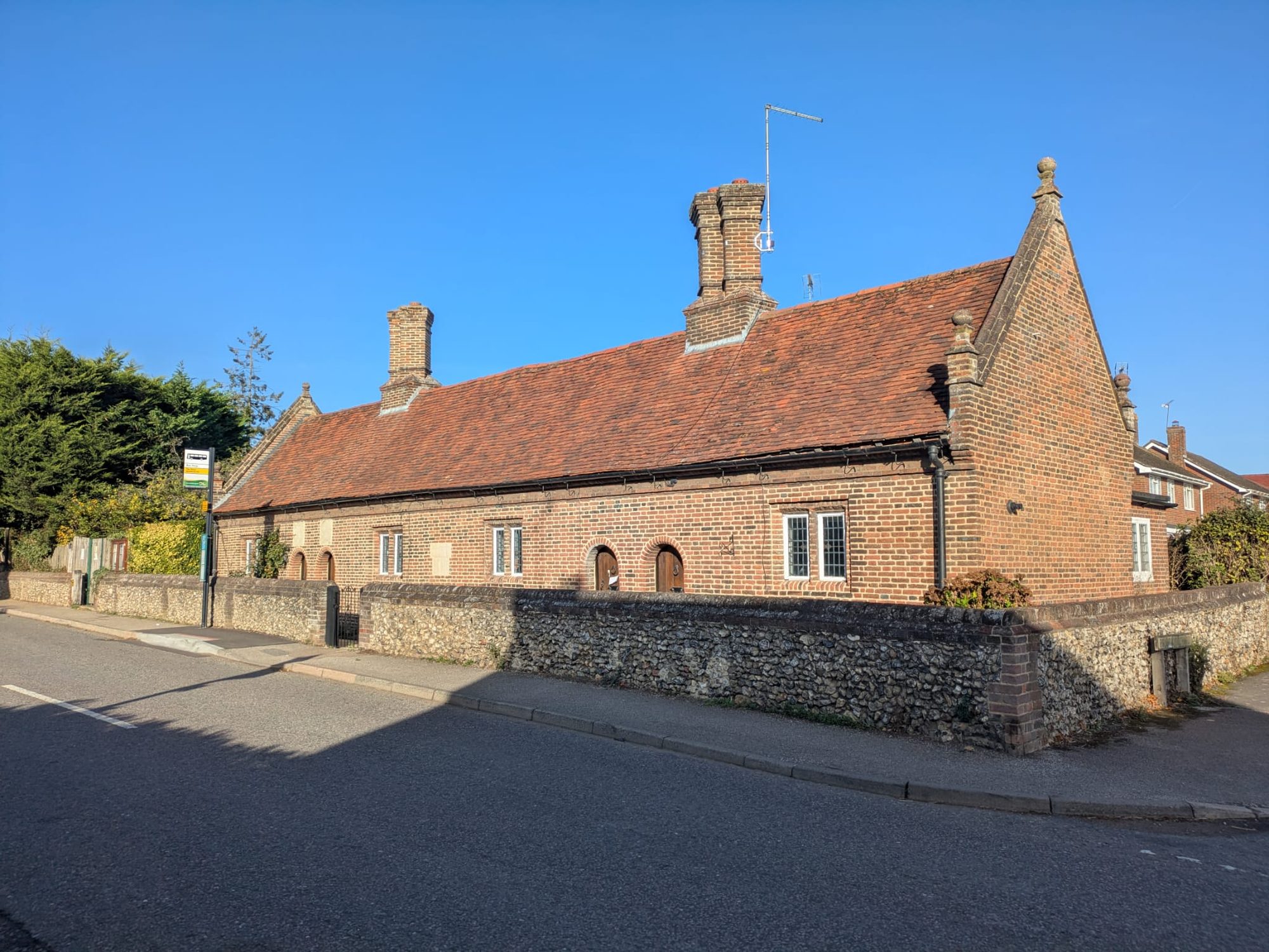
Founded by Thomas Saunders of Beechwood in 1669, the Flamstead Almshouses are among Hertfordshire's most architecturally significant almshouses. Grade II* listed, these historic buildings have provided a lasting connection to the village's charitable past for over 350 years.
From their original endowment to their fascinating historic inscriptions, they represent a remarkable legacy of care, community and generosity.
Today, the trustees continue to preserve this important part of the heritage of Flamstead and the surrounding parishes for future generations.
Vacancies
Applying for an almshouse – we currently have one vacancy
Are you looking for a welcoming, comfortable and secure small home within a friendly village community? We provide housing in Flamstead in almshouses for people who:
- are of good character
- are in financial need, or unable to afford independent accommodation
- currently live in the parish of Flamstead, Harpenden Rural, Redbourn, Great Gaddesden or Markyate
- can provide references and other evidence that they qualify, and attend an interview if asked
To apply, complete an application form and return it to us by 7 January 2027, by email to admin@flamsteadalms.org or by post to The Clerk at the address below.
For a paper copy of the form, email us or write to The Clerk.
Common questions
Who can apply for an almshouse?
People of good character who are in financial need, or unable to afford independent accommodation, and who currently live in the parishes of Flamstead, Harpenden Rural, Redbourn, Great Gaddesden or Markyate. In special cases approved by the Charity Commission, the trustees may appoint someone who does not meet the residence requirement but is otherwise qualified.
Is there a charge to live in an almshouse?
Residents contribute a weekly sum towards the maintenance of the almshouses.
What happens after I apply?
Every applicant must fully complete the application form and be ready to provide references and other evidence that they qualify. You may be asked to attend an interview. If physical infirmity makes this difficult, the interview may be held online.
How we use your information
The Saunders and Sebright Charities (registered charity 214233) is responsible for the personal information you give us. You can contact us at admin@flamsteadalms.org or by post to The Clerk, St John’s Church, Church End, Markyate, Herts AL3 8PY.
What we collect. The details on your application form, including your contact details, household, housing, finances and, where relevant, health; your references and any evidence you send; and any messages you send us.
Why we use it. Only to decide whether you qualify under the charity’s governing document, to consider your application and, if you are appointed, to manage your residence. Some of this information is sensitive, and we hold it securely and only for these purposes.
Who sees it. The trustees and the Clerk. We may check details with your referees and relevant organisations to verify what you tell us. We never sell your information or use it for marketing.
How long we keep it. Three years for unsuccessful applications; for residents, for as long as you live in an almshouse and for seven years afterwards.
Your rights. You can ask to see the information we hold about you, and ask us to correct or delete it. If you are unhappy with how we handle your information, you can complain to the Information Commissioner’s Office at ico.org.uk.
This website does not use cookies or tracking, and collects no information about your visit.
If you have any queries, or anything needs clarification, please contact us.
Inside an almshouse
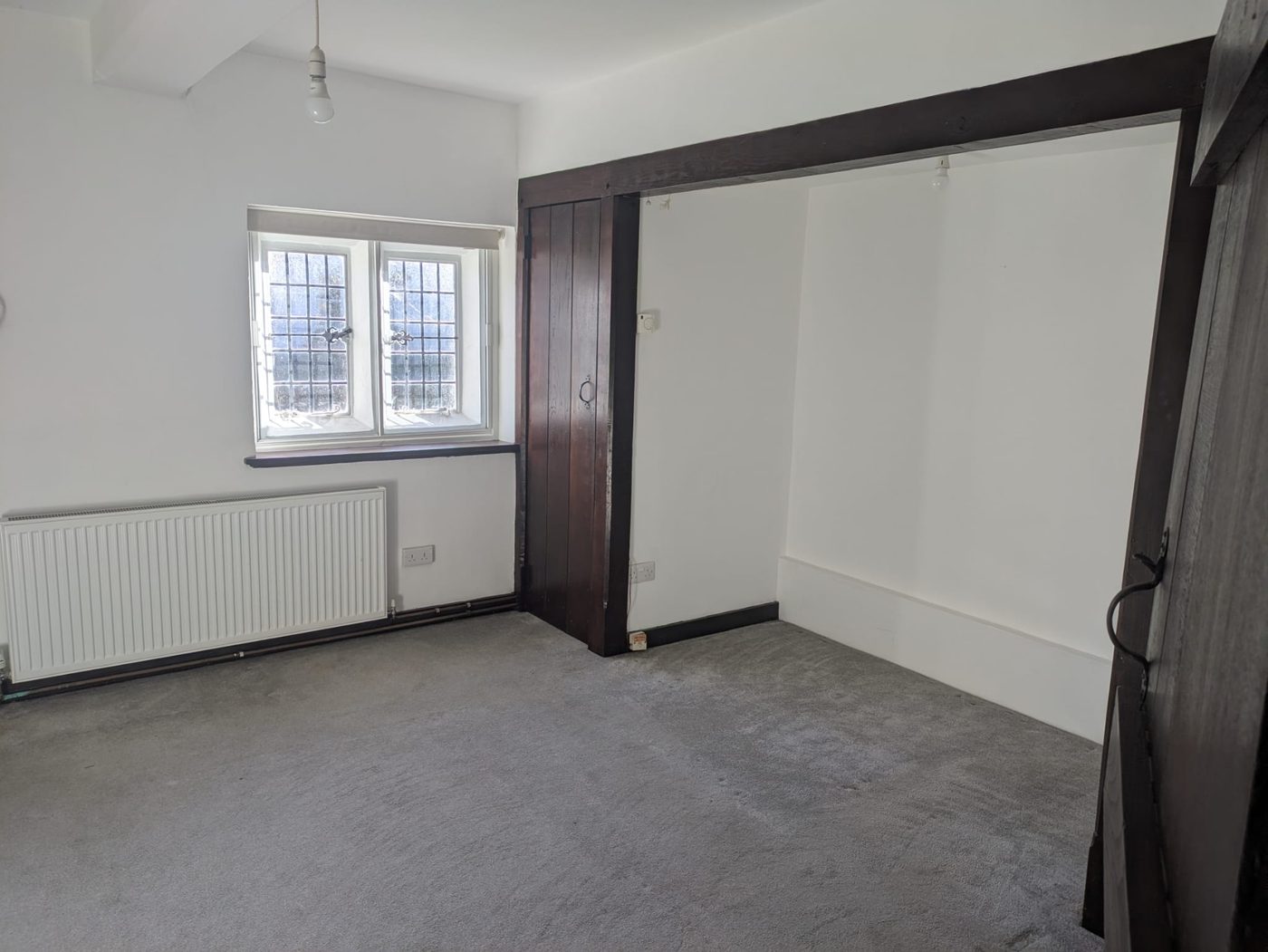
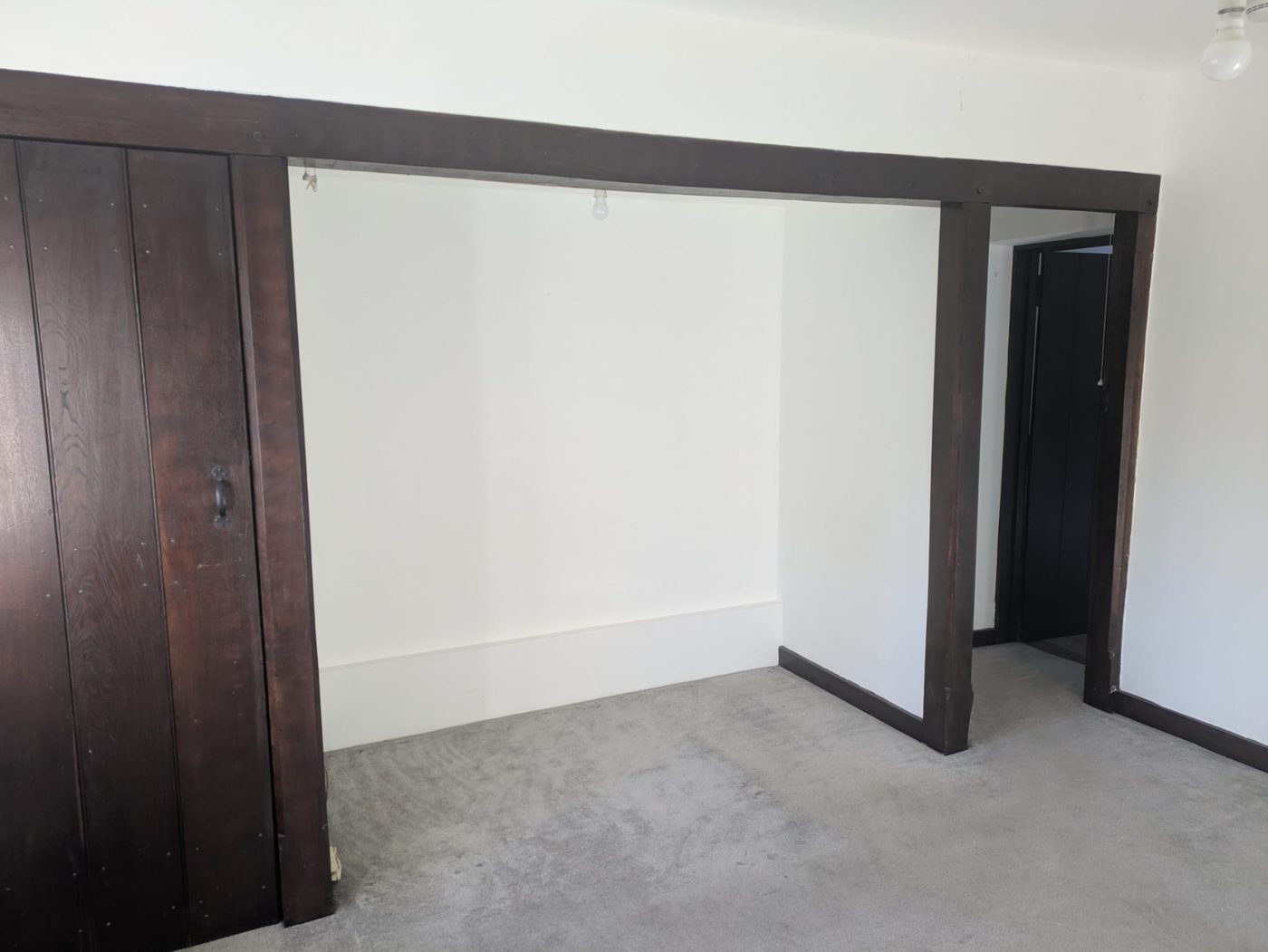
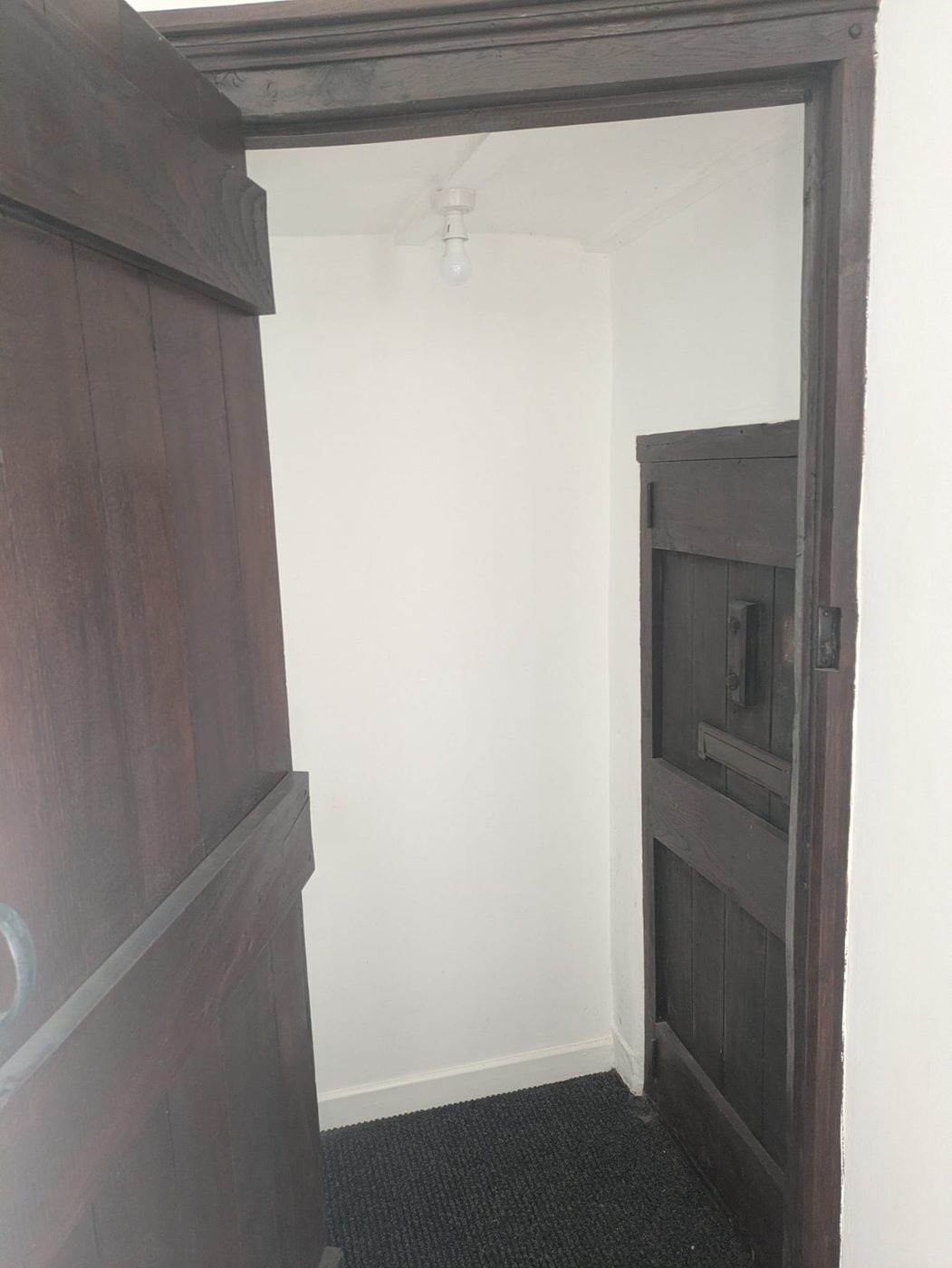
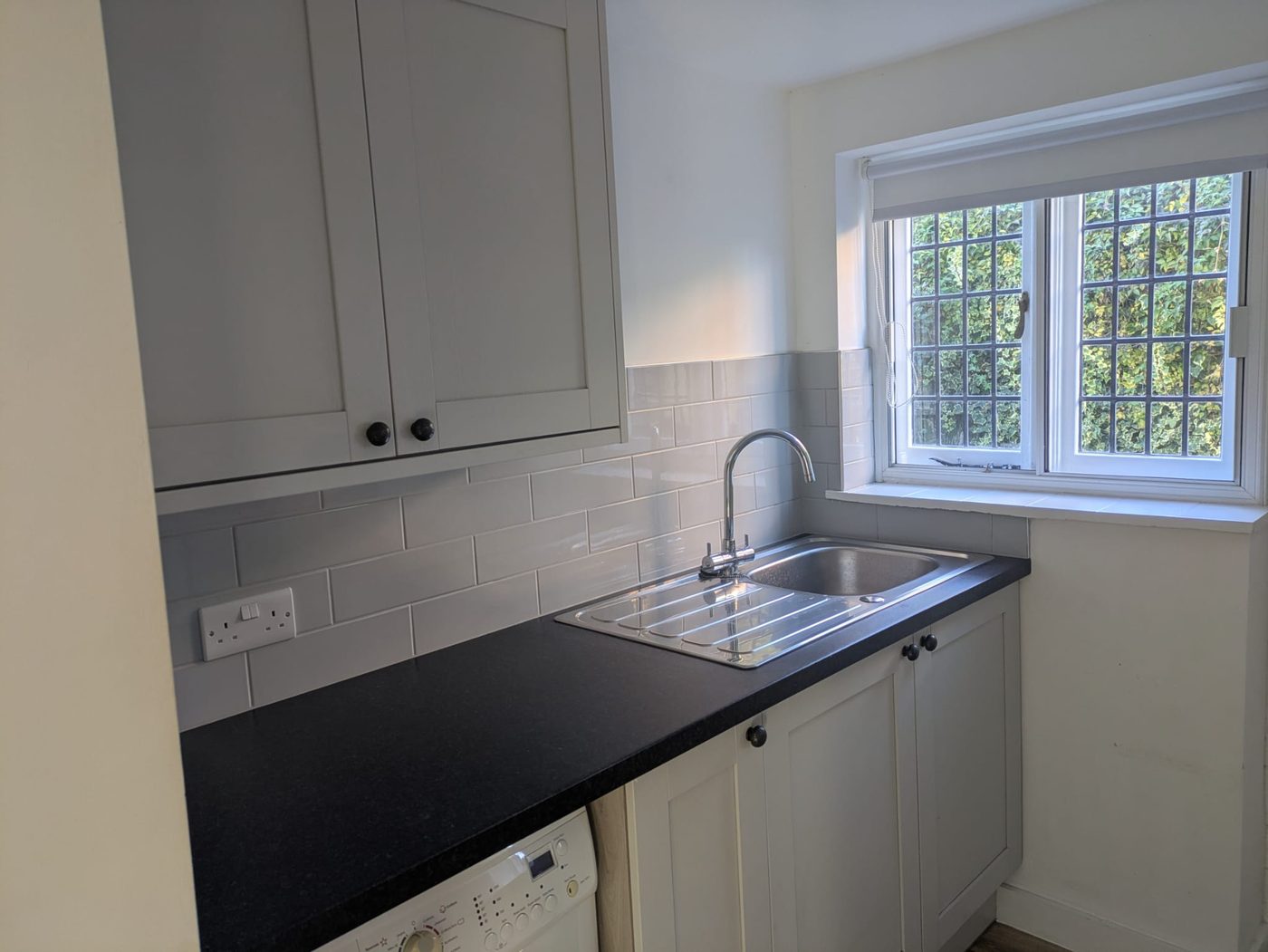
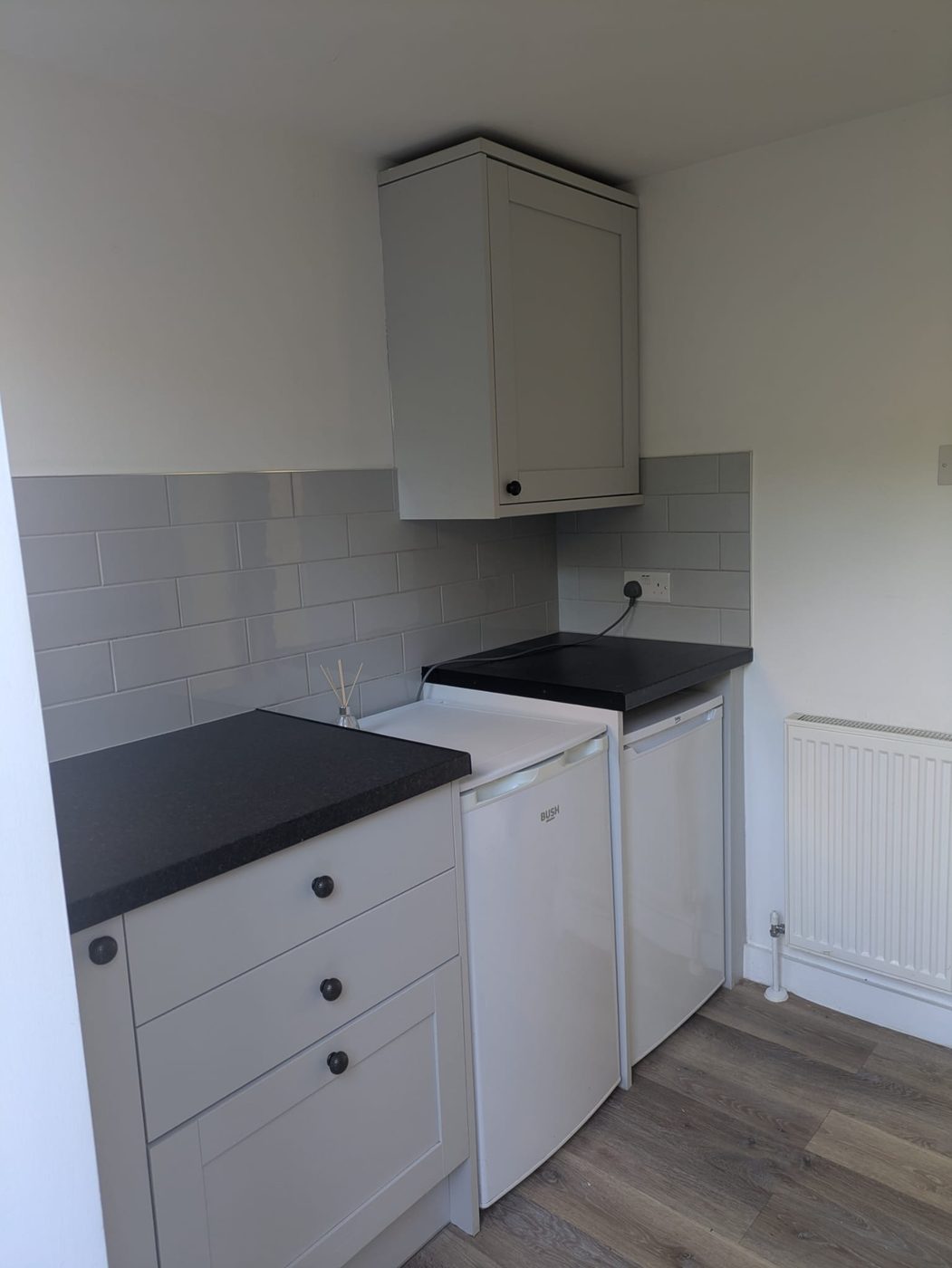
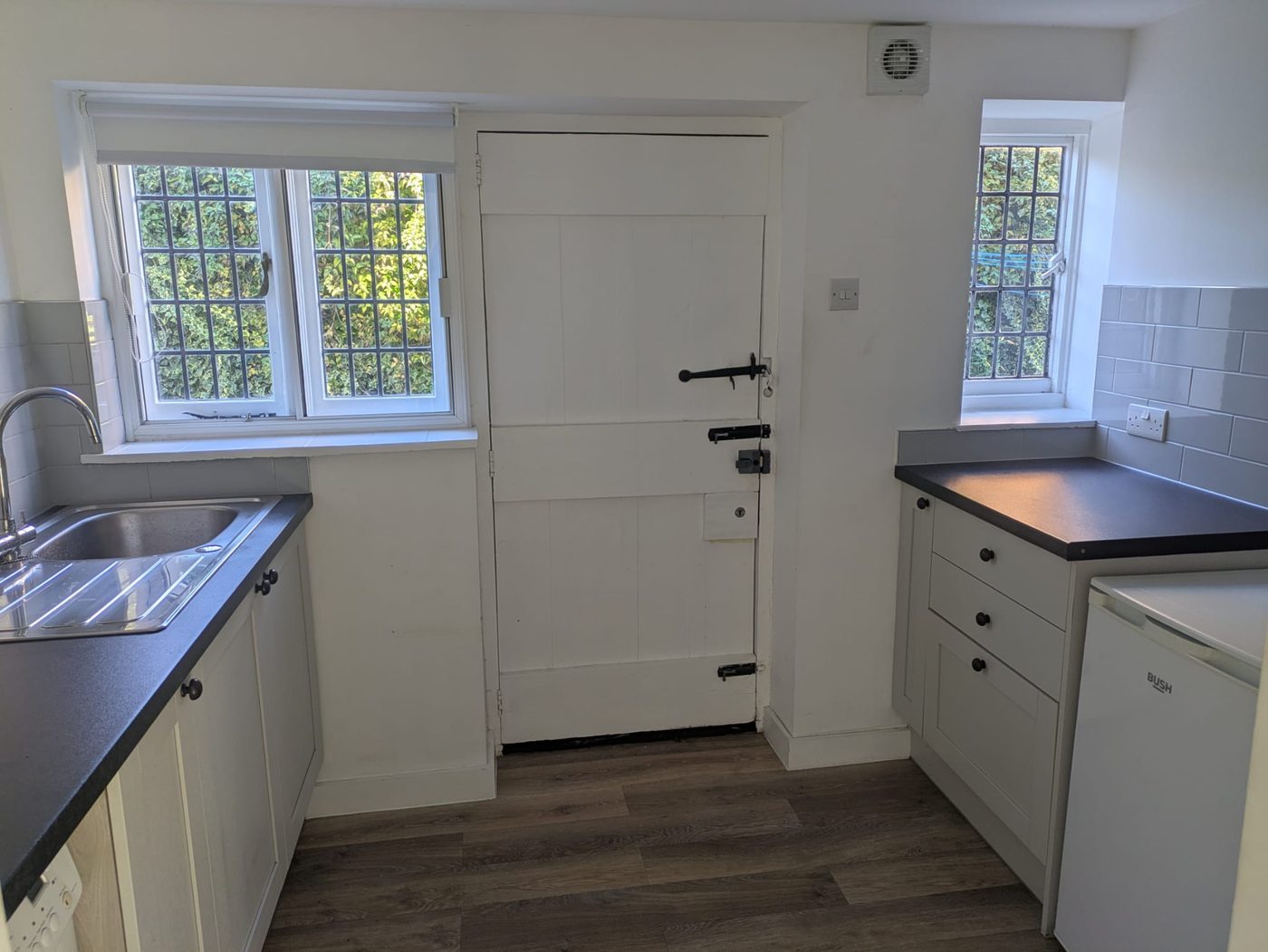
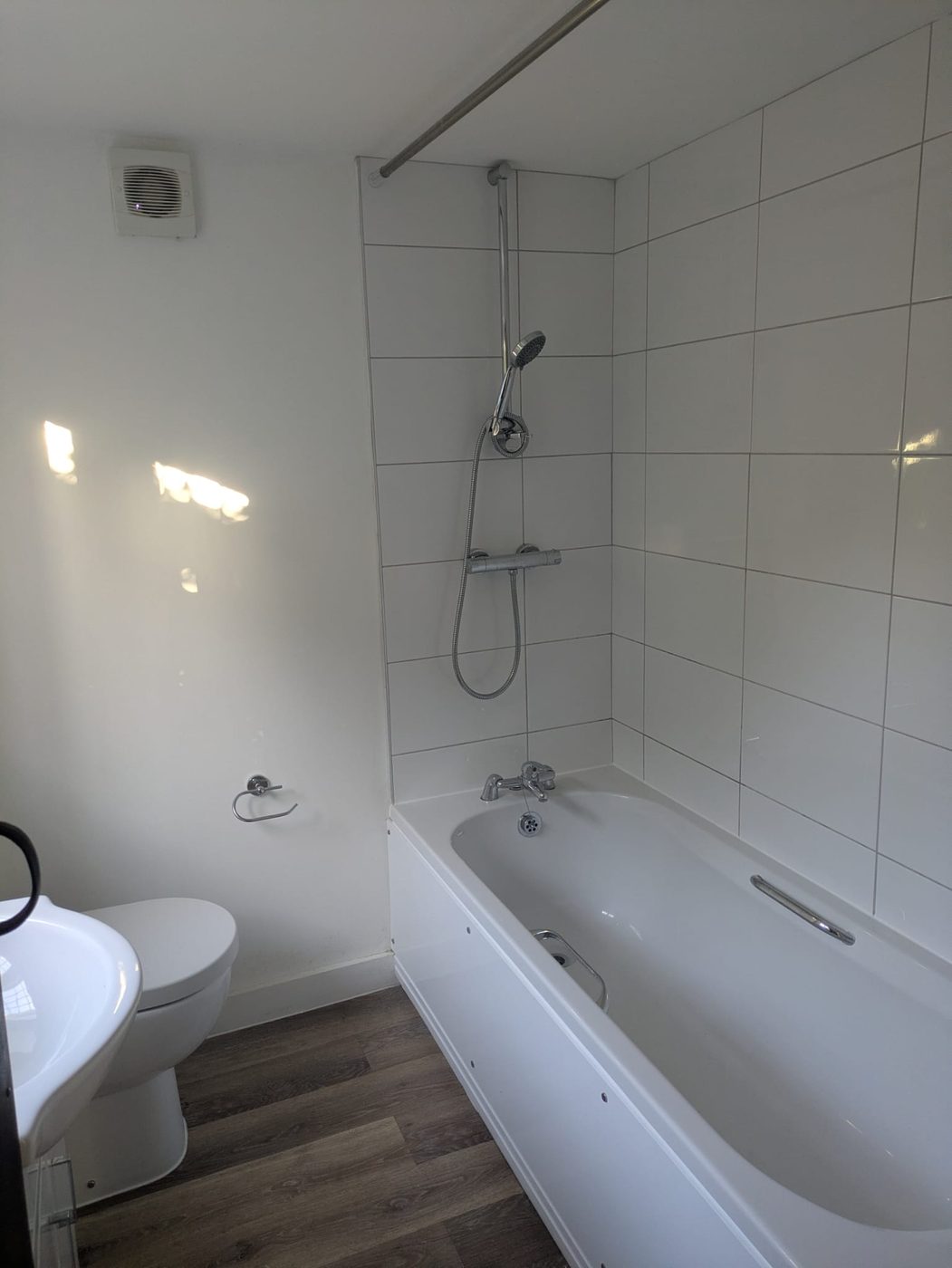
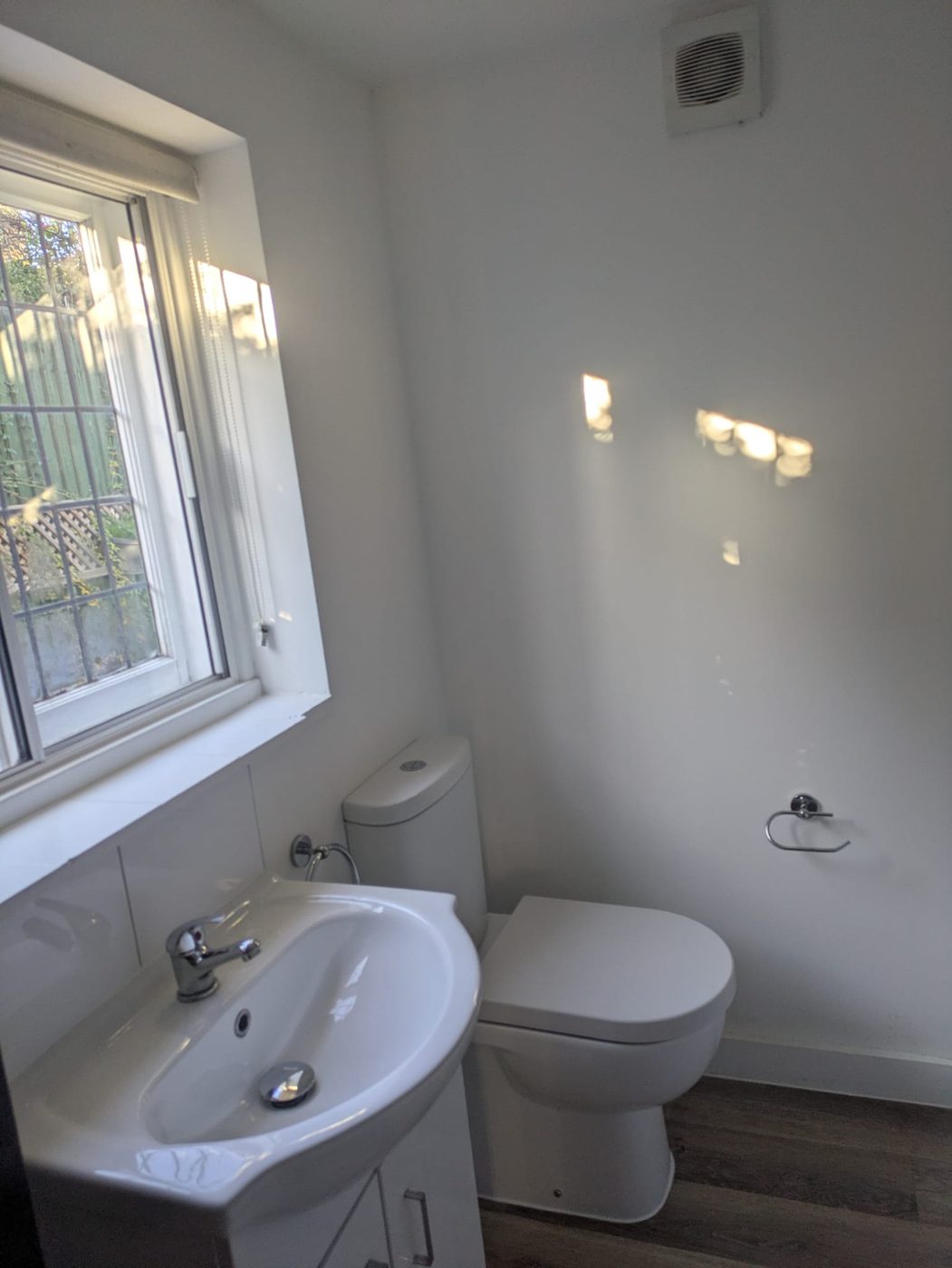
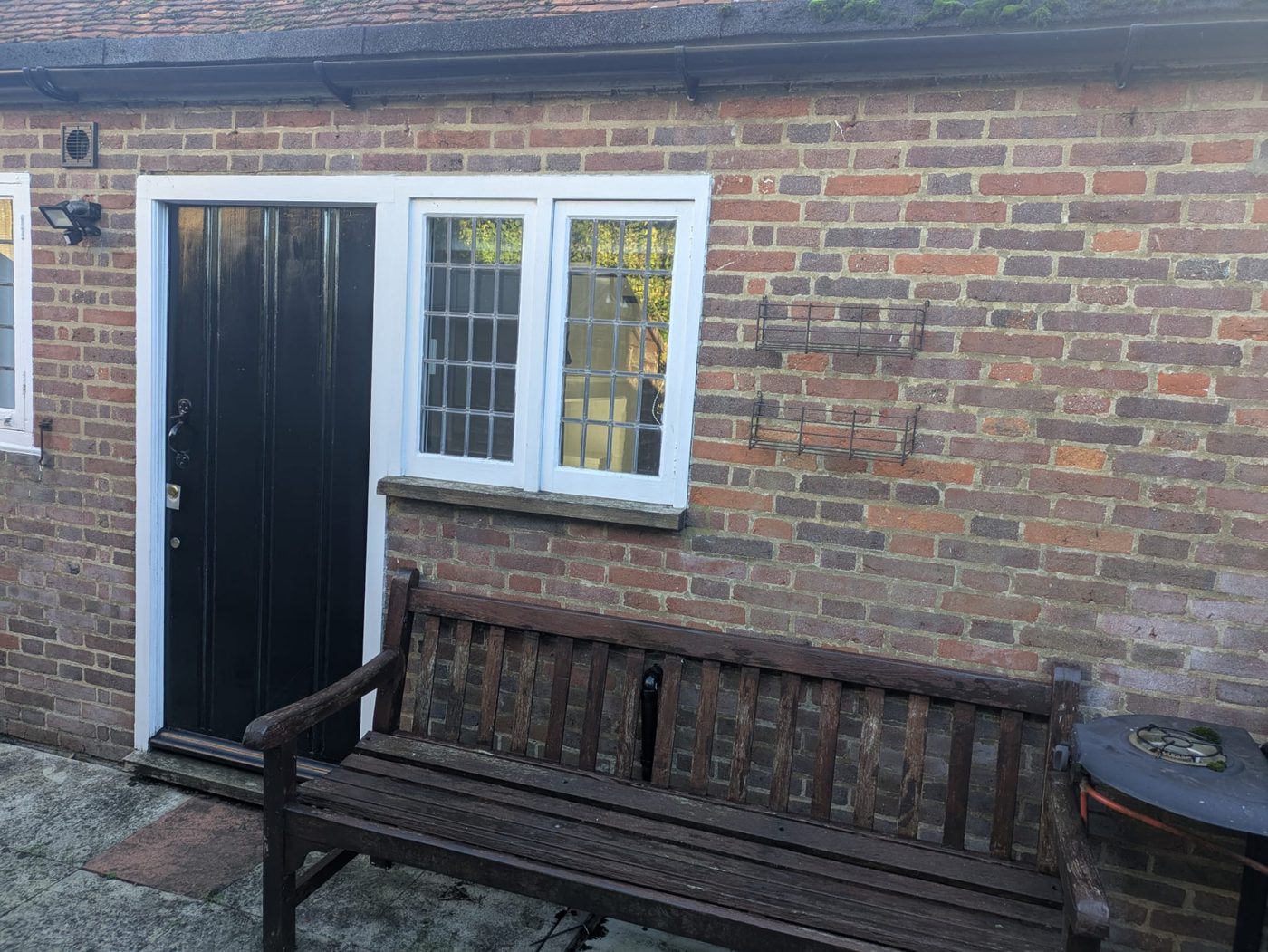
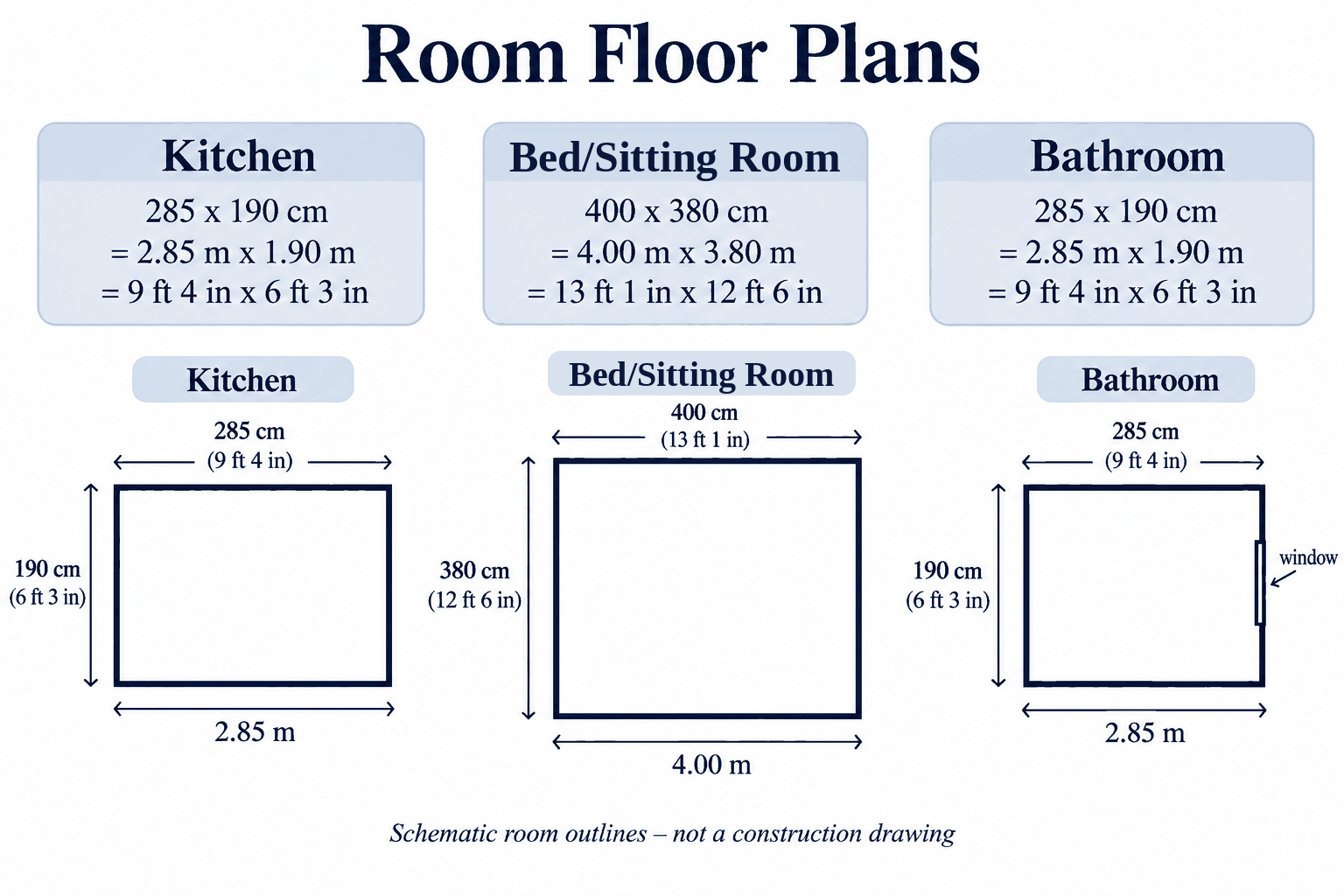
A look inside a typical almshouse
Each almshouse is a small, single home: a bed-sitting room, with a kitchen and a bathroom behind.
History
Since 1669
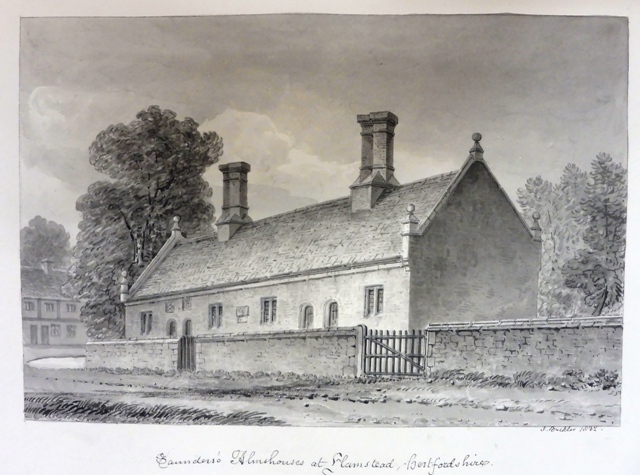
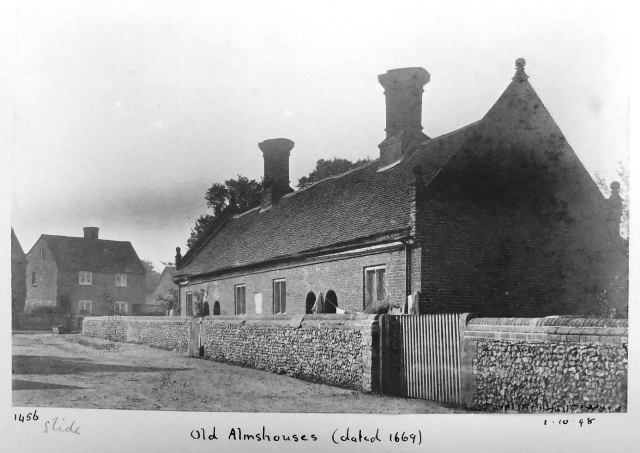
The almshouses were built by Thomas Saunders of Beechwood, and two datestones on the building record the year 1669. One, now worn beyond reading, once carried a Latin inscription naming him; the other gives only the date.
Saunders endowed the almshouses with £20 a year, charged on land known as the Gately Grounds. A document of 1762 describes them as lately built for four poor widows. By 1908 the four residents were two widows and two widowers of good character from the ancient parish of Flamstead, each receiving eight shillings a week.
The buildings were reconditioned and listed Grade II* in 1952. Today the charity is registered with the Charity Commission and affiliated to the Almshouse Association, and the trustees continue to care for the almshouses and their residents.
Sources: Flamstead. Thomas Saunders, Herts Memories; Historic England list entry 1348459.